Quick Answer
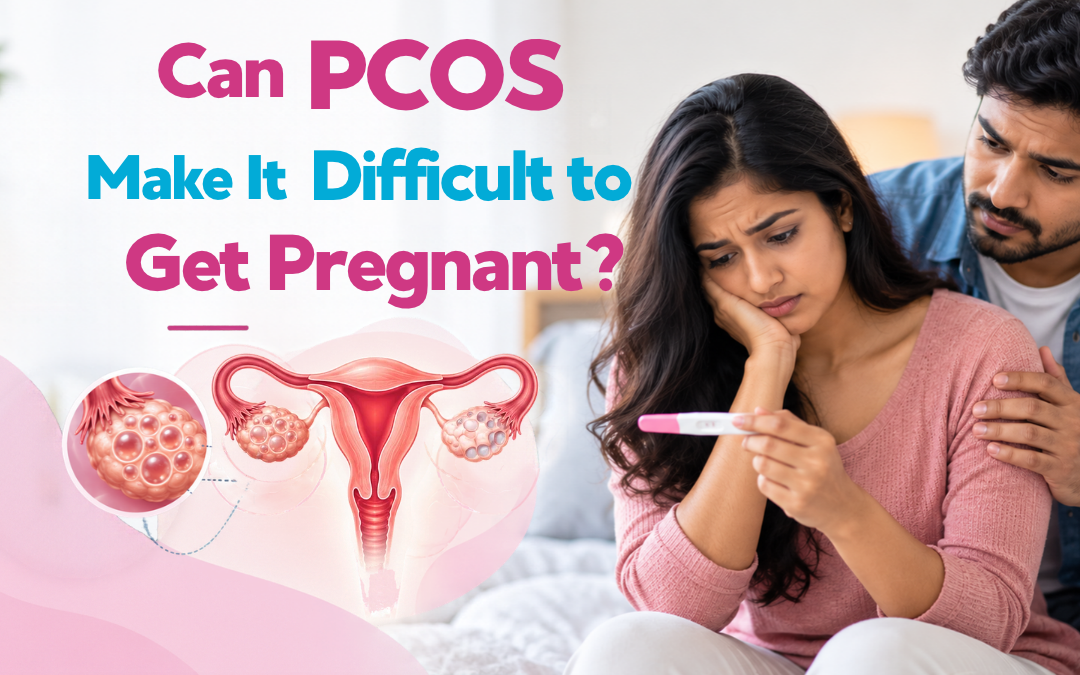
Yes, PCOS can make pregnancy more difficult for some women because it can interfere with regular ovulation. However, PCOS does not mean that pregnancy is impossible. Many women with PCOS conceive naturally or with appropriate fertility support.
How Does PCOS Affect Fertility?
PCOS can cause hormonal changes that affect the normal release of an egg from the ovary.
When ovulation is irregular, it can become harder to predict the fertile period and conception may take longer.
Common signs of PCOS can include:
- Irregular periods
- Infrequent periods
- Acne
- Excess facial or body hair
- Hair thinning
- Weight-related changes
Not every woman experiences all these symptoms.
Does PCOS Mean Infertility?
No.
PCOS is a common cause of ovulation-related fertility problems, but many women with PCOS become pregnant.
The right approach depends on your age, menstrual pattern, ovulation, overall health, and whether there are other fertility factors.
Can PCOS-Related Fertility Problems Be Treated?
Yes. Depending on the individual situation, treatment may include lifestyle changes, medicines to support ovulation, or other fertility treatments.
If another factor such as blocked fallopian tubes or male infertility is present, that may also need evaluation.
Can Lifestyle Changes Help?
For women who are overweight, even modest weight loss may improve ovulation and metabolic health in some cases.
Regular physical activity, balanced nutrition, adequate sleep, and management of blood sugar can support overall health.
FAQs
Can I get pregnant naturally with PCOS?
Yes. Many women with PCOS conceive naturally.
Does PCOS stop ovulation?
Not always. Ovulation may simply become irregular.
Does every woman with PCOS need fertility treatment?
No. Treatment depends on the individual's fertility situation.
Can PCOS be cured permanently?
PCOS is generally a long-term condition, but its symptoms and associated health risks can often be managed.
Conclusion
PCOS can make conception more difficult because of irregular ovulation, but it does not mean pregnancy is impossible. Proper evaluation can help identify the right approach.