Quick Answer
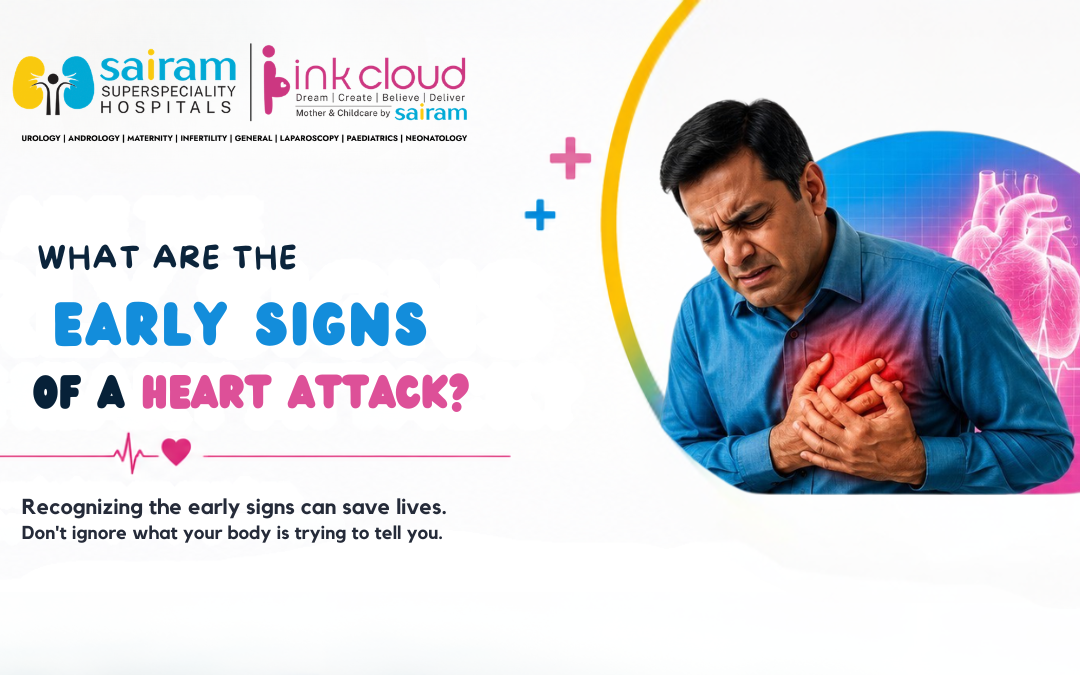
The early signs of a heart attack may include chest pain or discomfort, shortness of breath, pain in the arm, neck, jaw, or back, unusual fatigue, dizziness, nausea, and cold sweats. Recognizing these symptoms early and seeking immediate medical attention can save lives and reduce the risk of serious complications.
What Is a Heart Attack?
A heart attack, also known as a myocardial infarction, occurs when blood flow to a part of the heart is blocked. Without enough oxygen-rich blood, the heart muscle can become damaged.
Heart attacks are a medical emergency and require immediate treatment.
Common Early Signs of a Heart Attack
Chest Pain or Discomfort
The most common symptom is a feeling of pressure, tightness, squeezing, or pain in the center of the chest. This discomfort may last for several minutes or come and go.
Shortness of Breath
Difficulty breathing may occur before or during a heart attack, even without chest pain.
Pain in the Arm, Neck, Jaw, or Back
Pain may spread from the chest to the shoulders, arms, neck, jaw, or upper back.
Unusual Fatigue
Feeling extremely tired without a clear reason can be an early warning sign, especially in women.
Nausea or Vomiting
Some people experience nausea, indigestion, or stomach discomfort before a heart attack.
Cold Sweats
Sudden sweating without physical activity may indicate a heart problem.
Dizziness or Lightheadedness
Feeling faint or dizzy should never be ignored, especially when combined with other symptoms.
Do Heart Attack Symptoms Differ in Women?
Yes. Women may experience less obvious symptoms than men.
Common symptoms in women include:
- Unusual fatigue
- Shortness of breath
- Nausea
- Back pain
- Jaw pain
- Dizziness
- Sleep disturbances
Because symptoms may be different, heart attacks in women are sometimes overlooked.
Risk Factors for Heart Attack
Several factors increase the risk of heart disease and heart attacks:
- High blood pressure
- High cholesterol
- Diabetes
- Smoking
- Obesity
- Lack of physical activity
- Stress
- Family history of heart disease
Managing these risk factors can help reduce the chances of a heart attack.
What Should You Do If You Suspect a Heart Attack?
Seek Emergency Medical Help Immediately
Call emergency services or visit the nearest hospital without delay.
Do Not Ignore Symptoms
Even mild chest discomfort should be taken seriously.
Stay Calm
Avoid unnecessary physical activity while waiting for medical assistance.
Follow Medical Advice
Prompt treatment significantly improves outcomes and survival rates.
How Can Heart Attacks Be Prevented?
Maintain a Healthy Diet
Eat fruits, vegetables, whole grains, and heart-friendly foods.
Exercise Regularly
Physical activity supports cardiovascular health.
Control Blood Pressure and Cholesterol
Regular monitoring and treatment help reduce heart disease risk.
Avoid Smoking
Smoking is a major risk factor for heart attacks.
Manage Stress
Healthy stress management can benefit overall heart health.
FAQs
What is the first sign of a heart attack?
Chest pain or discomfort is often the earliest and most common symptom.
Can a heart attack happen without chest pain?
Yes. Some people, especially women and diabetics, may experience symptoms without severe chest pain.
How long do heart attack symptoms last?
Symptoms can last for several minutes or may come and go before becoming severe.
Is shortness of breath a sign of a heart attack?
Yes. Difficulty breathing is a common warning sign.
Can young people have heart attacks?
Yes. Although more common in older adults, heart attacks can occur at younger ages, especially with risk factors.
When should I go to the hospital?
Seek immediate medical attention if you experience chest pain, shortness of breath, or other possible heart attack symptoms.
Conclusion
Recognizing the early signs of a heart attack can make a life-saving difference. Symptoms such as chest pain, shortness of breath, arm pain, unusual fatigue, nausea, and dizziness should never be ignored.
Early diagnosis and immediate medical care can significantly improve recovery and reduce complications. Regular health checkups and a heart-healthy lifestyle also play an important role in preventing heart disease.
If you or a loved one experiences symptoms of a heart attack, seek emergency medical attention immediately. For expert cardiac care in Hyderabad, consult our experienced cardiology specialists today.